Play Smart, Stack Smart: The Money Management Secrets Competitive Gamers Swear By
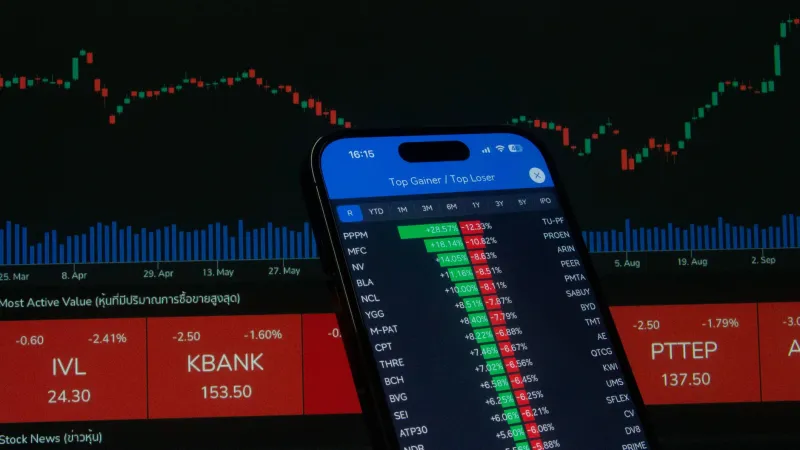
There's a version of the competitive gamer that lives in pop culture — hoodie on, energy drink in hand, riding pure adrenaline from one session to the next. And sure, that image isn't entirely wrong. But behind the highlight reels and tournament wins, the players who consistently come out ahead share something less cinematic in common: they treat their money like a business.
At Pung777 Plus, we talk a lot about skill, strategy, and the mental edge. But the financial side of competitive gaming? That's where a lot of players quietly fall apart — and where the sharpest ones quietly pull ahead.
Let's break down what actually separates a player who grows their winnings from one who keeps starting over at zero.
Think of Your Bankroll as a Portfolio, Not a Piggy Bank
Here's the mindset shift that changes everything: your gaming bankroll isn't just money you're willing to lose. It's capital you're deploying strategically across different opportunities.
Wall Street traders don't throw everything into a single stock and hope for the best. They diversify — spreading risk across asset classes to protect against any one position wiping them out. Competitive gamers who last in this space do the same thing.
In practice, that might look like this: a player allocates a portion of their budget to lower-stakes, high-volume games where variance is manageable, another slice toward higher-stakes tournaments where the ceiling is bigger but so is the risk, and keeps a reserve they simply don't touch. That reserve is the cushion that keeps a bad week from becoming a catastrophic month.
Diversifying your game selection works the same way. If you're only grinding one format or one game type, a single bad run can flatten your entire operation. Spreading across different game styles — whether that's tournaments, head-to-head challenges, or casual competitive play — smooths out the ride.
Understanding Variance Before It Destroys You
Variance is one of those words that gets thrown around a lot, but it's worth really sitting with what it means for your wallet.
Simply put: even when you're playing well, short-term results will swing wildly. A poker player running at a profit over thousands of hands can lose ten sessions in a row and still be doing everything right. A sports bettor with a 58% win rate will hit losing streaks that feel like the universe is personally against them.
The players who fold under variance are the ones who didn't build their bankroll to absorb it. The ones who thrive? They've done the math ahead of time.
A common framework borrowed from poker is the 20-to-1 rule: never put more than 5% of your total bankroll into any single session or event. If you've got $500 to work with, your individual session buy-in shouldn't exceed $25. It sounds conservative — and it is — but that's the point. Conservative bankroll management means you're still in the game when your skill finally runs hot.
Think of variance absorption as your financial immune system. The stronger it is, the longer you survive long enough to actually win.
Session Limits: The Rule Most Players Know and Ignore
Every serious competitive gamer will tell you session limits matter. Very few of them will admit how often they've blown past their own.
A session limit is exactly what it sounds like — a predetermined cap on how much you're willing to risk or lose in a single sitting before you walk away. But the psychological reality is that setting a limit and respecting a limit are two completely different skills.
Here's what the data from behavioral economics tells us: losses trigger emotional responses that make us want to chase, to recover, to "just play one more." That impulse is hardwired. The traders who survive on Wall Street aren't the ones who never feel it — they're the ones who built systems that override it.
For gamers, that means treating your session limit like a hard stop, not a suggestion. Some players go as far as physically removing themselves from the platform once they hit it. Log out, close the app, go touch grass. The game will be there tomorrow. Your bankroll might not be if you keep chasing tonight.
Win limits matter too, by the way. Knowing when to lock in a strong session instead of risking it all back is a skill that separates disciplined players from ones who perpetually feel like they almost made it.
The Profit-First Approach: Pay Yourself Before You Reinvest
One of the cleaner concepts to steal from the business world is the profit-first model. The basic idea: every time you generate a return, you pull a percentage out before reinvesting the rest.
Applied to gaming, this might look like deciding that every time you cash out a winning session, 30% goes to a separate account you don't touch. The remaining 70% goes back into your bankroll for future play. Over time, that 30% compounds into something real — and more importantly, it means a catastrophic downswing can't erase everything you've built.
This approach also does something subtle but powerful: it keeps you honest about whether you're actually profitable. A lot of players feel like they're winning because they keep playing. When you're pulling money out consistently and watching that separate account grow, you have real evidence — not just a feeling.
Tracking Everything (Yes, Everything)
Professional traders keep meticulous records. So do the best competitive players, even if their spreadsheets look a little different.
Tracking your sessions doesn't have to be complicated. Date, game type, starting bankroll, result, notes on how you felt and what conditions were like. Over dozens of sessions, patterns emerge. You'll notice which game types you're actually profitable in versus which ones you just enjoy. You'll see whether your worst sessions cluster around certain times of day, or follow certain emotional states.
That information is gold. It turns gut feelings into data, and data into better decisions.
At Pung777 Plus, we're big believers that the mental game and the money game are inseparable. The players who show up here and actually grow their results over time aren't just the ones who play the most or play the hardest — they're the ones who play the smartest.
The Bottom Line
Managing your gaming bankroll isn't about being timid or playing scared. It's about giving yourself the best possible chance to still be in the game when everything clicks — and making sure that when it does, you've got enough behind you to make it count.
Variance will come for everyone. Session tilts will happen. Losing streaks will test you. But with a diversified approach, disciplined limits, and a habit of tracking your real results, you're not just playing games. You're running a strategy.
And that's when things start to get genuinely interesting.