Squad Up: How Friend Groups Are Becoming the New Power Players in US Tournament Gaming
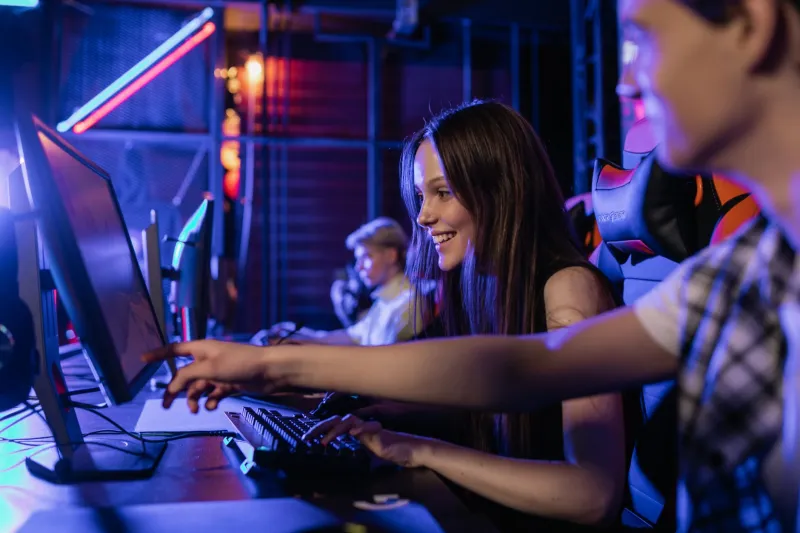
For a long time, the conventional wisdom in competitive gaming was pretty straightforward: find the best individual players, put them in a lineup, and let raw skill do the talking. That formula built entire esports dynasties. But something shifted in 2024, and if you've been paying attention to tournament brackets — whether that's in card games, multiplayer shooters, or online strategy competitions — you've probably noticed it too.
The squads winning right now? A lot of them didn't come out of an org. They came out of a Discord server.
The Chemistry Advantage Nobody Talks About
Here's the thing about esports organizations: they're built for peak performance, but they're often assembled from strangers. Rosters get shuffled. Players get traded. Teams spend months just figuring out who calls what and when. Meanwhile, the friend group that's been grinding together every Friday night for three years? They've already solved that problem.
Psychologists who study team dynamics call this "implicit coordination" — the ability to anticipate teammates' decisions without needing to verbalize them. In competitive gaming, that translates to faster reaction loops, fewer communication breakdowns, and a kind of fluid trust that you genuinely cannot shortcut your way into. You either built it over time or you didn't.
Mark "Vex" Harmon, a team captain from Phoenix who runs a five-man squad that's been placing in regional online tournaments since 2022, put it simply: "We don't really call out every move. We just know. I've played with these guys so long that I know when one of them is about to make an aggressive play just by how their positioning shifts two seconds before."
That kind of awareness doesn't show up in a stat sheet. But it absolutely shows up in results.
From Casual to Competitive: The Formalization Process
What's fascinating about this trend is the deliberate way these squads are leveling up their infrastructure. It's not just about playing more — it's about playing smarter, together.
The groups making the biggest jumps are the ones who started treating their sessions like actual team practices. That means scheduled scrimmages, post-game reviews, defined roles, and — this is the part most casual players skip — explicit communication protocols.
Communication protocols sound corporate, but in practice it just means: who talks when, and what do they say? In high-pressure moments, teams that haven't figured this out get loud, chaotic, and slow. Teams that have worked it out stay calm and decisive. The difference between those two outcomes in a close tournament match is enormous.
Some squads are even borrowing frameworks from traditional sports. Film review sessions — where players watch replays and break down what went wrong — used to be an esports-org-only thing. Now you've got friend groups in apartment living rooms doing the same thing on a laptop between rounds of takeout.
The Role Structure Revolution
Another shift that's quietly reshaping tournament strategy is the move toward specialized roles within squads. In earlier eras of competitive gaming, everyone was expected to be a generalist — adaptable, flexible, capable of filling whatever gap appeared.
That's changing. The squads dominating 2024 brackets have figured out that depth beats versatility when your team knows each other well enough to cover weaknesses automatically. One player anchors the defensive position. Another pushes pace. Someone else manages the macro strategy while the fourth player handles the pressure moments that require ice in the veins.
This mirrors what you see in professional sports franchises — and the parallels aren't lost on the players themselves. "We basically have a point guard," laughed Destiny "Dee" Okafor, part of an Atlanta-based squad that recently placed in the top eight of a major online open tournament. "Somebody has to run the offense. Everybody else has to trust the read."
What This Means for the Tournament Scene
From a pure competition standpoint, this trend is making US tournaments dramatically more interesting to watch and participate in. The era of the lone mechanical genius who could carry a team on pure individual output isn't over — but it's being seriously challenged by organized squads who've turned teamwork itself into a competitive skill.
For platforms running tournaments, it also opens up new structural possibilities. Team-based events, squad ladders, and group ranking systems are becoming more attractive to a player base that's increasingly invested in who they play with, not just how they play.
And for anyone sitting on a friend group that grinds together regularly? The gap between "playing for fun" and "playing for something" has never been smaller. The infrastructure is there. The competition is there. The only question is whether you're ready to formalize what you've already been building.
Because in 2024, the squad that communicates, adapts, and trusts each other? That's the squad cashing out at the end of the bracket.