60 Seconds to Glory or Bust: How Tournament Champions Make Decisions Faster Than You Think
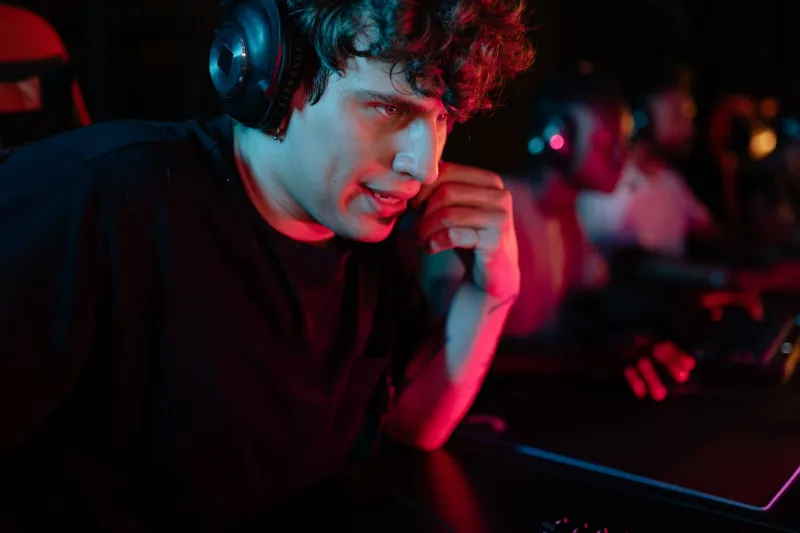
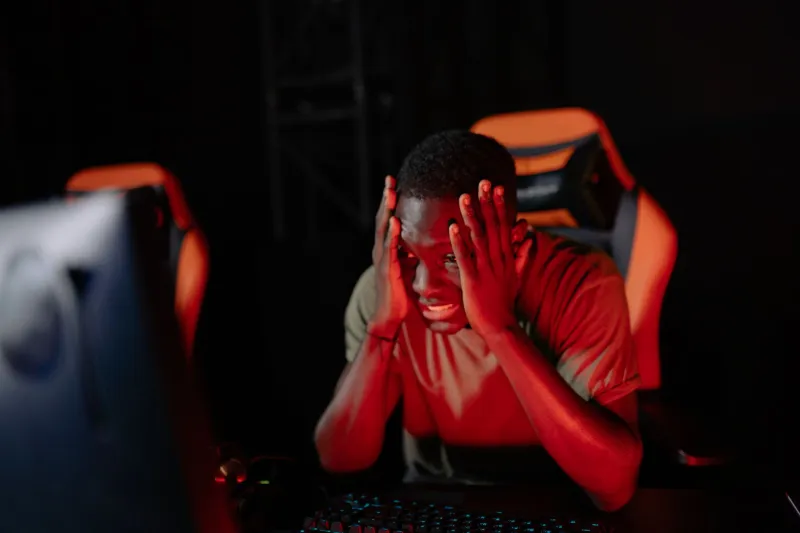
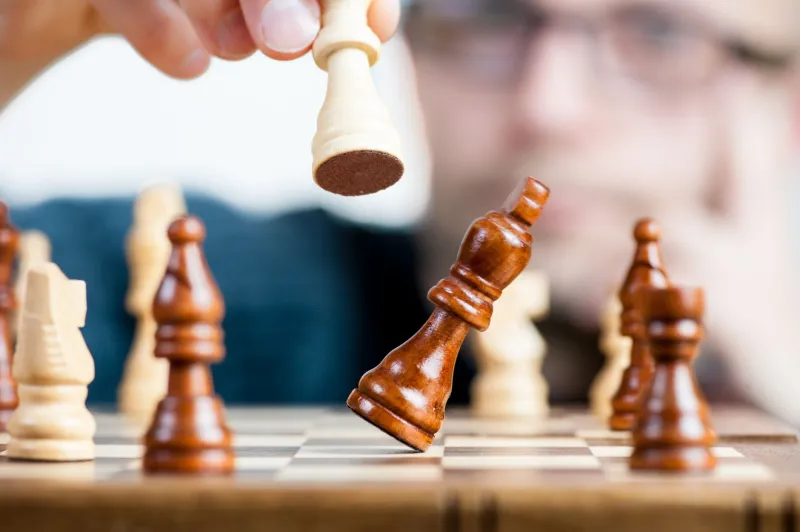
There's a moment in almost every high-stakes tournament match where the whole thing hangs in the air. The game is close. The clock is ticking. Every option on the table carries real risk. And somewhere in that window — often shorter than a minute — a decision gets made that determines who walks away with the win.
For casual players, that moment feels like chaos. For elite competitors, it feels like clarity.
What separates those two experiences isn't raw talent or years of practice alone. It's something more specific: a trained pressure-response system that allows top-tier players to process information, weigh options, and commit to a course of action while everyone else is still frozen in place.
We went inside that process — talking to tournament directors running some of the most competitive gaming events in the US, elite players who've lived in those moments, and performance coaches who study decision-making under pressure — to understand what's really happening in those 60 seconds. And more importantly, how you can start training your own version of it.
The Pressure Paradox
Here's the uncomfortable truth about high-stakes decisions: the pressure that feels like it should sharpen your focus often does the opposite. Research in cognitive performance consistently shows that stress narrows attention, accelerates mental processing in ways that skip important steps, and activates emotional responses that compete with rational analysis.
In plain terms: pressure makes most people worse at exactly the kind of thinking they need most.
But elite gamers seem to operate differently. Tournament directors who've watched hundreds of high-level matches describe a visible distinction between players who thrive in crunch moments and those who crack.
"You can see it in how they carry themselves," says Marcus Tillman, who has directed major competitive gaming events in Chicago and Dallas for the past four years. "The players who are going to make the right call in a tight spot — they slow down. Not a lot. Just enough. There's a stillness before the decision that casual players don't have. The others rush, and rushing almost always costs them."
That stillness isn't passive. It's the visible output of an active mental process that top competitors have deliberately built and repeatedly tested.
What Elite Players Are Actually Doing
When we asked competitive players to walk us through their decision-making in critical tournament moments, a few consistent themes emerged.
They read the situation before they read their options. Rather than immediately scanning for what move to make, experienced players first assess the state of the game — what's the actual risk level here? What's already happened that I need to account for? This contextual framing keeps them from reacting to surface-level signals and missing the deeper strategic picture.
They've pre-built a menu of responses. Elite players rarely encounter a truly novel high-pressure situation. Not because they've seen everything, but because they've done the cognitive work in advance to categorize scenarios and develop go-to responses for each category. When the moment arrives, they're not inventing a solution from scratch — they're selecting from a prepared toolkit.
"I've thought through the most common pressure scenarios so many times that when they happen for real, it almost feels scripted," explains Dani "Crux" Morales, a competitive player from San Diego who's placed in the top five of multiple national online tournaments. "My brain isn't working overtime in those moments. It's matching the situation to a response I already know works."
They commit completely. Indecision is the silent killer in competitive gaming. Partial commitment — executing a move while mentally second-guessing it — produces worse outcomes than either fully committing or fully pivoting. Top players understand that a good decision executed with total conviction usually beats a perfect decision executed with hesitation.
The Casual Player's Trap
So what's going wrong for players who freeze or fold under tournament pressure?
Most of the time, it comes down to two things: overthinking and underpreparation.
Overthinking in the moment is usually a symptom of not having done enough thinking beforehand. When you haven't pre-analyzed common scenarios, every pressure moment feels genuinely new — which means your brain is trying to do real-time strategic analysis while simultaneously managing emotional stress. That's a brutal cognitive load, and most people's performance degrades under it.
Underpreparation shows up differently. Some players have plenty of game knowledge but haven't stress-tested their decision-making in realistic conditions. They know what the right move is in theory but haven't trained the mental and emotional circuitry to actually execute it when the stakes are real and the clock is running.
The result is players who play great in low-pressure environments and fall apart when it matters most — a pattern that's frustratingly common at every level of competitive play.
A Framework You Can Actually Use
Building a better pressure-response system isn't mysterious — it just takes intentional work. Here's a practical framework for developing it:
Step 1: Catalog your critical moments. After every session, identify the two or three moments where the match genuinely hung in the balance. Write them down. What was the situation? What did you decide? What was the outcome? Over time, this builds a personal database of high-pressure scenarios.
Step 2: Pre-analyze your response menu. For each scenario type you identify, develop a default response — not a rigid rule, but a strong starting point. When X situation arises, my baseline response is Y. This reduces the cognitive load in the actual moment.
Step 3: Simulate pressure deliberately. Seek out competitive environments where the stakes feel real. At Pung777 Plus, tournament formats put genuine pressure on decisions in ways that casual play simply doesn't replicate. You can't train pressure-response without actual pressure.
Step 4: Practice the pause. In low-stakes sessions, deliberately introduce a brief pause before major decisions — even just two or three seconds. You're training the habit of creating space between stimulus and response. That habit will show up when you need it most.
Step 5: Debrief your decisions, not your outcomes. After tournaments, most players focus on wins and losses. Elite players focus on decision quality. Did I make the right call given what I knew at the time? The outcome is just data — the decision process is what you can actually improve.
The 60-Second Advantage
The gap between a champion and a competitor who falls just short isn't always talent. Often, it's this: one player has a system for those critical pressure windows, and the other is improvising.
At Pung777 Plus, where tournaments are built to test exactly this kind of competitive mettle, the players who rise consistently aren't always the most technically skilled. They're the ones who've done the unglamorous work of building a decision-making process that holds up when everything is on the line.
Sixty seconds. That's all the time you get. The question is whether you've prepared to use it.